

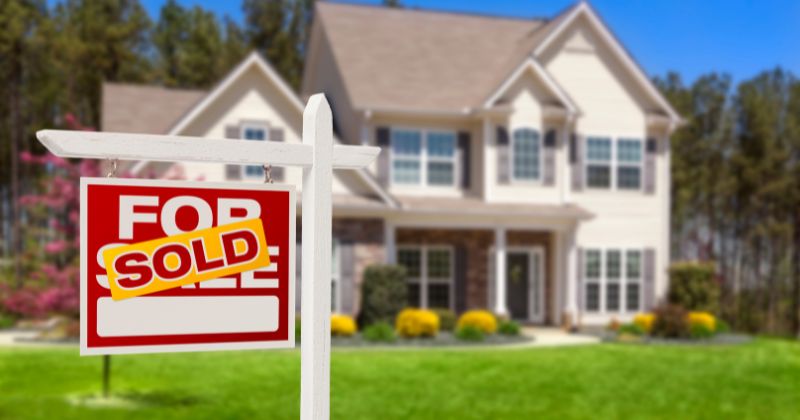
Selling your home can be a stressful and time-consuming process, but with the right strategies, you can attract buyers and secure a quick sale. Whether you're relocating, downsizing, or upgrading, these top 10 tips will help you sell your home quickly in the Canadian real estate market.
1. Enhance Curb Appeal
First impressions matter, so make sure your home's exterior looks inviting and well-maintained. Invest in landscaping, touch up exterior paint, and consider adding decorative elements like potted plants or outdoor lighting to enhance curb appeal and attract potential buyers.
2. Stage Your Home
Staging your home can help buyers envision themselves living in the space and make it more attractive for showings. Declutter, depersonalize, and rearrange furniture to highlight your home's best features and create an inviting atmosphere. Consider hiring a professional stager for expert advice on maximizing your home's appeal.
3. Price Strategically
Pricing your home competitively is essential for attracting buyers and securing a quick sale. Research recent sales and market trends in your area to determine the optimal listing price. Avoid overpricing, as it can deter buyers, and be prepared to adjust the price if necessary to generate interest.
4. Highlight Key Features
Identify and highlight your home's key features and amenities to appeal to potential buyers. Whether it's a spacious kitchen, a cozy fireplace, or a backyard oasis, make sure these selling points are prominently featured in your listing photos and marketing materials to attract attention.
5. Utilize Professional Photography
High-quality photography can make a significant difference in how your home is perceived online and attract more potential buyers to viewings. Hire a professional photographer to capture flattering images that showcase your home in its best light and make a strong first impression.
6. Market Effectively
Effective marketing is crucial for reaching a wide audience of potential buyers. Utilize online listing platforms, social media, and traditional advertising channels to promote your home and generate interest. Consider creating virtual tours or video walkthroughs to provide buyers with an immersive viewing experience.
7. Be Flexible with Showings
Flexibility is key when it comes to accommodating showings and allowing potential buyers to view your home at their convenience. Be prepared to accommodate evening and weekend showings, and keep your home clean and clutter-free to make scheduling easier.
8. Work with a Reputable Real Estate Agent
A knowledgeable and experienced real estate agent can provide invaluable guidance and support throughout the selling process. Choose a reputable agent who understands the local market and has a proven track record of success in selling homes quickly.
9. Consider Incentives
Offering incentives can entice buyers and help your home stand out in a competitive market. Consider offering perks such as closing cost assistance, a home warranty, or including furniture or appliances in the sale to sweeten the deal for potential buyers.
10. Stay Informed About Market Trends
Stay informed about current market trends and conditions in the Canadian housing market to make informed decisions about pricing and marketing strategies. Work closely with your real estate agent to monitor market activity and adjust your approach as needed to maximize your chances of a quick sale.
Selling your home quickly in Canada requires careful planning, preparation, and strategic execution. By following these top 10 tips, you can attract buyers, highlight your home's best features, and navigate the selling process with confidence. With the right strategies in place, you'll be well on your way to a successful and speedy sale.

 The data relating to real estate on this website comes in part from the MLS® Reciprocity program of either the Greater Vancouver REALTORS® (GVR), the Fraser Valley Real Estate Board (FVREB) or the Chilliwack and District Real Estate Board (CADREB). Real estate listings held by participating real estate firms are marked with the MLS® logo and detailed information about the listing includes the name of the listing agent. This representation is based in whole or part on data generated by either the GVR, the FVREB or the CADREB which assumes no responsibility for its accuracy. The materials contained on this page may not be reproduced without the express written consent of either the GVR, the FVREB or the CADREB.